01 / Geology
Geology · geophysics
Deeper sub-bottom profiles for geologic layering and geophysical projects.
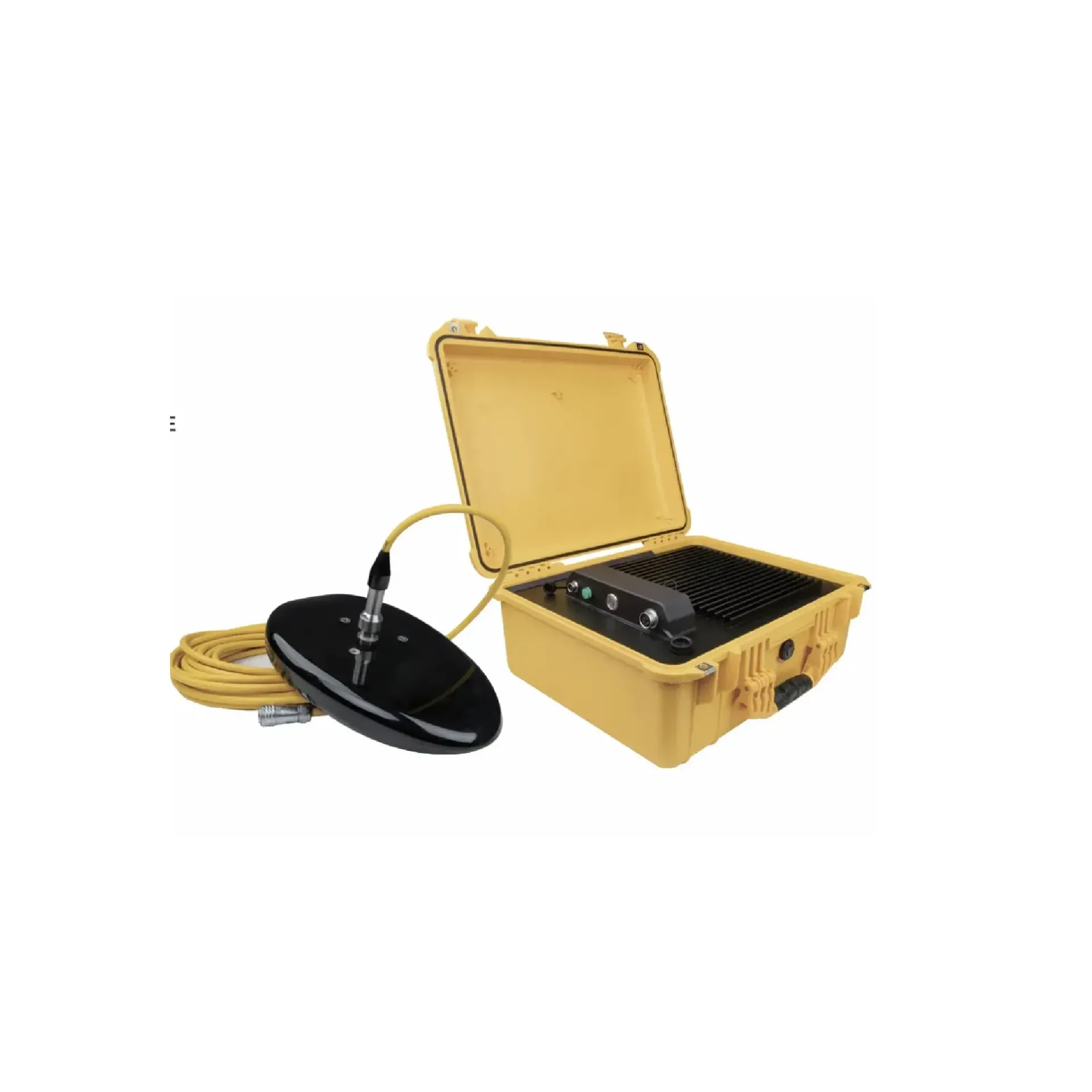
SEP-1 split SBP—compact transducer, quick install, one workstation for acquisition and processing; ~50 m penetration with precision depth. It focuses on Split host workstation, ~50 m penetration, Proven parametric array, ready to connect with sounding, navigation, or monitoring workflows. Typical uses include Geology · geophysics, Pipeline · cable route, Shipwreck · archaeology.
SEP-1 split SBP—compact transducer, quick install, one workstation for acquisition and processing; ~50 m penetration with precision depth.
Split host + transducer: transducer ~7.2 kg (with 20 m cable), host ~12.2 kg—simple to install and configure.
Difference 4–25 kHz, ~50 m penetration (seabed/noise dependent), 500 m operating range.
Nonlinear sonar, primary 85–115 kHz, selectable difference, CHIRP/CW, high-res profiles.
Nav, acquisition, and processing in one—compatible with SonarWiz, HYPACK, and more.
SEP-1 deck host drives an underwater transducer: primary tones create a difference frequency that penetrates the sub-bottom while outputting precise depth and profiles.
Primary 85–115 kHz, ~4.9° beam, high source level—depth included.
Difference 4–25 kHz (10/12/14/16/18/24 selectable) for deeper sub-bottom penetration.
Over-side or pole-mount transducer; host stays in the cabin—RJ45 / RS485 control.
Optional BDS/GPS and IMU with heave correction and compensation.
Versus integrated SE models, SEP-1 is split, lower primary, and ~50 m penetration for deeper profile needs.
Geology, pipeline routes, minerals and seep imaging, shipwrecks/heritage, and harbor/inland silt analysis.
Deeper sub-bottom profiles for geologic layering and geophysical projects.
Pipeline and cable-lay surveys—burial depth and obstacles.
Shipwrecks, heritage sites, and geologic settlement archaeology.
Ultra-shallow harbors and inland lakes/reservoirs—depth mapping and silt analysis.
Key parameters for SEP-1 (from the product page and sales description).
| Model | SEP-1 |
| Brand | 南方海洋 |
| Product type | Sub-bottom profiler |
| Frequency | ~100 kHz Primary |
| Penetration | ~50 m |
| System | Transducer + host |
| Environment | 24V/220V · 0–40°C |
| Key points | 4–25 kHz difference frequency, split sediment penetration about 50 m. Compact transducer; host handles acquisition and processing. Typical use: Geology · geophysics; Pipeline · cable route; Shipwreck · archaeology; Harbor · inland silt. |
| Applications | Geology · geophysics; Pipeline · cable route; Shipwreck · archaeology; Harbor · inland silt |