01 / Geology
Deep geology survey
Identify deep-sea sediment layers and interfaces.
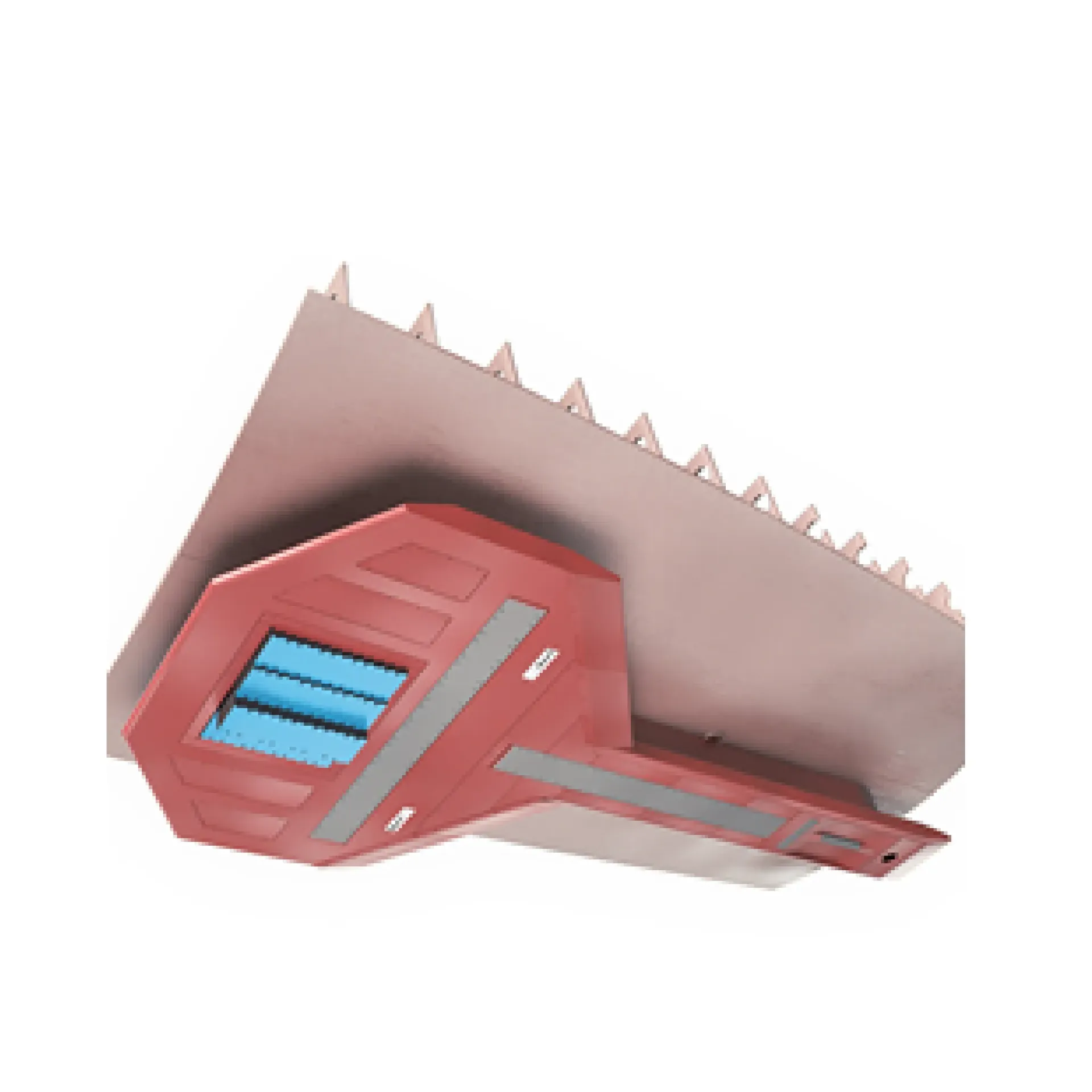
ParaSound parametric sub-bottom profiler for deep-ocean and shelf stratigraphy, using low-frequency parametric penetration for sediment reflection profiles. It emphasizes key survey capability, key survey capability, key survey capability, and integrates readily with sounding, navigation or monitoring workflows. Typical uses include key survey capability, key survey capability, key survey capability.
ParaSound parametric sub-bottom profilers image deep and shelf sediment structure using parametric low-frequency penetration for reflection sections.
For deep and shelf geologic surveys.
Low difference frequency improves sediment penetration.
Reveals bedding and interfaces along lines.
Works with nav/sounding chains.
Nonlinear interaction of primary highs creates a low difference frequency that penetrates sediments; reflections form an SBP section of bedding and geologic interfaces.
Install transducers and electronics shipborne.
Ping continuously on geologic lines.
Record reflection sections.
Horizon correlation and interpretation.
Core capabilities of ParaSound for selection and project discussions.
Typical operating scenes and platform choices for ParaSound.
Identify deep-sea sediment layers and interfaces.
SBP pre-survey on deep cable/pipeline segments.
Screen shallow-buried slides, gas chimneys and peers.
Combined water-column and SBP logs on science cruises.
Key parameters for ParaSound (from the product page and sales description).
| Model | ParaSound |
| Brand | Reson |
| Product type | Sub-bottom profiler |
| Ops | Research/survey ship (Shipborne) |
| Key points | Water depth about 10–11000 m, sub-bottom penetration beyond 200 m. ParaSound parametric sub-bottom profilers image deep and shelf sediment structure using parametric low-frequency penetration for reflection sections. Typical use: Deep geology survey; Deep route SBP; Buried geo-hazard; Science water-column. |
| Applications | Deep geology survey; Deep route SBP; Buried geo-hazard; Science water-column |